
In an effort to embrace intersectionality between Disabled History and Black History Month, here is a quick look at the incredible life of Harriet Tubman.
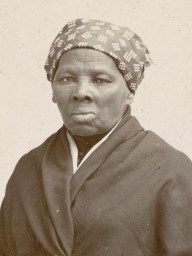
When Harriet Tubman was 13 years old, she was in a General Store when an enslaved person ran in being chased by his overseer. The overseer asked Tubman to hold on to him and when she refused the man grabbed a metal weight and threw it in their direction hitting Tubman in the head and fracturing her skull. Being a slave herself, she likely received no medical care and suffered from debilitating headaches, seizures and “visions.” She lived with epilepsy for the rest of her remarkable life.
Tubman’s “owner” would rent her out for work. In an effort to have some autonomy over her life, she proposed that she pay her owner so she could hand-pick the people she would work for and the jobs she would perform. This would prove to be a fruitful idea for Tubman as she did odd jobs in various locations and got to know the area she lived in quite well. She worked by the “watermen” on the boats and docks by a nearby river and learned of their stories.
Tubman eventually escaped from slavery and traveled at night using the Underground Railroad.
“When I found I had crossed that line, I looked at my hands to see if I was the same person. There was such a glory over everything; the sun came like gold through the trees, and over the fields, and I felt like I was in Heaven,” she said after crossing the border into Pennsylvania.
Bradford, Sarah Hopkins (1869), Scenes in the life of Harriet Tubman. Auburn, New York: W.J. Moses.
We rarely hear of Tubman’s disability, but it was clearly a big part of her life. She accomplished so much.
Please check out the video in the link below.
 Duke of Dead Air
One thought on “Harriet Tubman (1820-1913)”